Drug Addiction
Into Action Recovery Centre provides men-only inpatient drug addiction treatment in Canada for those ready to address substance use seriously. Our structured residential program helps men step away from drugs, stabilize, and build the foundation for long-term recovery in a focused, distraction-free environment.
What Is Drug Addiction
Drug addiction, also called substance use disorder, is a medical condition that changes the brain and behaviour. It often looks like using even when it is causing problems, and feeling less control over how often or how much you use.
Over time, tolerance can build and stopping can trigger withdrawal, which pulls many men back in. This is not a character flaw. With structure, accountability, and professional support, recovery is possible.
Who Drug Addiction Treatment Is For
Drug addiction does not have a single look. Some men are clearly struggling. Others are still working, showing up, and holding things together, but the pattern is getting harder to manage.
It often shows up as repeated promises to cut back, using to handle stress or shut off the mind, cycling between control and chaos, or feeling like life keeps narrowing around substances.
If any of this feels familiar, it may be time to talk to someone about next steps.
Drug Rehab At Into Action
Drug rehab at Into Action Recovery focuses on stabilization, therapeutic treatment, and long-term recovery planning. We provide clinical monitoring and withdrawal support as part of early treatment, followed by structured therapeutic programming and transition planning. We do not provide medical detox services, and some individuals may require referral prior to admission.
Who Our Drug Rehab Centre Is For
This inpatient drug rehab program is designed for adult men who are:
- Struggling with ongoing drug addiction, drug use, or dependence
- Experiencing repeated relapse despite previous drug rehab or recovery attempts
- Using multiple substances or cycling between drugs
- Facing legal, family, or professional consequences related to substance use
- Ready for a structured residential environment focused on accountability
- Feels stuck, isolated, or out of control around alcohol
If you are unsure whether inpatient drug rehab is appropriate, our admissions team can help assess next steps.
- How it works
How Drug Rehab Works
Treatment follows a clear, structured progression designed for accountability and measurable growth.

Assessment & Intake
Each man completes a comprehensive intake to evaluate substance use history, mental health, physical health, and recovery goals.
Stabilization Phase
Early recovery focuses on structure, routine, and therapeutic support to help men regain stability.
Core Therapeutic Programming
Evidence-based therapies are combined with 12 step principles to address behavior, thinking patterns, trauma, and relapse prevention.
Transition Planning & Aftercare
Long-term recovery planning begins before discharge. Men leave with structure, support, and a clear next plan moving into the next phase of their recovery.
- Types Of Drugs
We Help Men Recover From
Different substances carry different risks, withdrawal patterns, and relapse considerations. While treatment principles remain consistent, care is adapted based on substance history and individual needs.
- Drug Rehab
How Treatment Works
At Into Action, our drug addiction treatment helps men stabilize, remove daily triggers, and rebuild a foundation for long term recovery. The goal is not short term abstinence. It is structure, accountability, and relapse resistance that lasts.
Our structured inpatient program includes:
- Comprehensive assessment and intake
- Stabilization and early recovery support
- Evidence based individual and group therapy
- Relapse prevention and coping skills development
- 12 step integration and peer accountability
- Transition planning and aftercare preparation
The focus is practical: coping skills, relapse prevention, and a clear next step plan for life after residential care.
- Why Inpatient Treatment At Into Action
Over a Decade of Proven Results
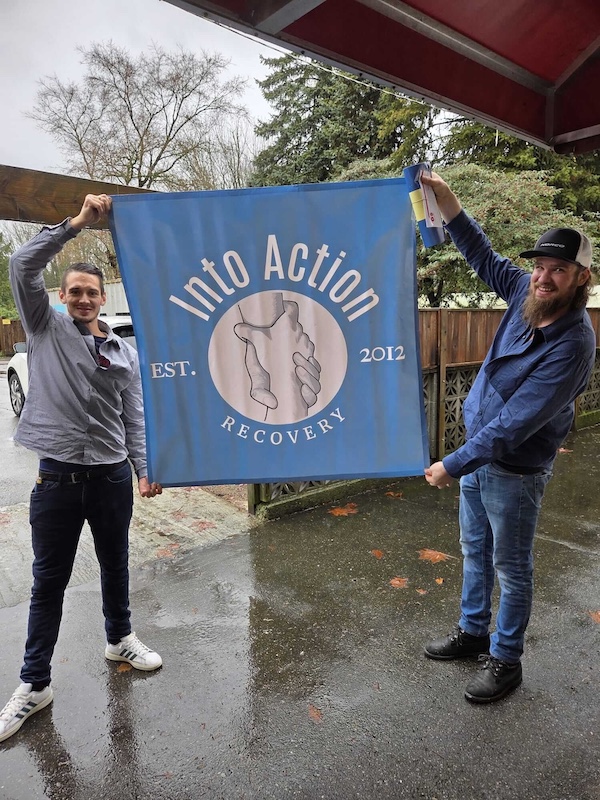
Founded in 2012, Into Action Recovery Centre has helped men across Canada rebuild their lives through structured, accountability driven inpatient treatment. Our program is designed for men who need more than short term intervention and are ready to commit to lasting change.
Men choose Into Action for:
- A men only recovery environment built on structure and accountability
- A proven inpatient model refined over more than a decade
- Evidence based therapy combined with 12 step principles
- Brotherhood, peer accountability, and real world skill building
- Clear transition planning and ongoing recovery support
The focus is practical: coping skills, relapse prevention, and a clear next step plan for life after residential care.


Get Your Life Back
Get Into Action Today
Proven since 2012, our program helps men stabilize, heal, and build the foundation for lifelong recovery through discipline, therapy, and brotherhood.
FAQs - Drug Addiction
Find answers to common concerns about our treatment programs, admission process, and what to expect during your recovery journey at Into Action.
What are the 12 signs of drug addiction?
- Loss of control over use
The person uses more than intended or for longer periods than planned. - Strong cravings or urges
Persistent thoughts about using, feeling unable to focus without the substance. - Increased tolerance
Needing larger amounts to achieve the same effect. - Withdrawal symptoms
Physical or emotional distress when not using, such as anxiety, irritability, nausea, sweating, or insomnia. - Neglecting responsibilities
Work, school, family, or financial obligations begin to suffer. - Continued use despite consequences
Using even after experiencing health problems, legal issues, or damaged relationships. - Loss of interest in previously enjoyed activities
Hobbies, social connections, and goals are abandoned or ignored. - Secrecy and dishonesty
Lying about use, hiding substances, or becoming defensive when questioned. - Changes in behavior or personality
Mood swings, increased aggression, isolation, or emotional numbness. - Risk taking behaviors
Driving under the influence, unsafe sexual behavior, or using in dangerous situations. - Failed attempts to quit or cut back
Repeated promises or efforts to stop that do not last. - Using as a way to cope
Relying on drugs to manage stress, emotions, trauma, or mental health symptoms.
Is drug addiction a disease?
Yes. Drug addiction is recognized as a chronic disease that affects the brain, behavior, and decision making. It is not a lack of willpower or a moral failure. With the right structure, support, and treatment, recovery is possible.
How do I stop using drugs?
Most people cannot stop using drugs through willpower alone. Addiction changes how the brain responds to stress, reward, and impulse control. Stopping usually requires structure, accountability, and professional support to build new habits and address the reasons behind the use.
Why can’t I stop using drugs?
Because addiction rewires the brain over time. Even when someone wants to stop, cravings, withdrawal symptoms, and learned patterns can overpower good intentions. This is why structured treatment and long-term support are often necessary for lasting recovery.