-
🌟 Canada’s Top Men-Only Alcohol Rehab Centre
Alcohol Addiction Treatment For Men in Canada
Into Action Recovery provides structured alcohol addiction treatment for men in Canada built on accountability, routine, and peer support. Our inpatient alcohol rehab program helps men break the cycle of dependence, develop recovery discipline, and rebuild a stable life free from alcohol.
All Calls Are 100% Confidential.




What Is Alcohol Addiction?

Alcohol addiction, also known as alcohol use disorder, is a condition where drinking becomes harder to control and starts causing problems in daily life. What may begin as social or stress-related drinking can slowly turn into something relied on to cope, unwind, or get through the day.
Over time, tolerance can increase and stopping or cutting back can feel uncomfortable or unsettling. Alcohol addiction is not a lack of discipline. It reflects how repeated alcohol use affects the brain, decision-making, and behaviour.
How To Know If Someone Needs Alcohol Rehab

Alcohol addiction rarely begins with an obvious crisis. Many men continue working, supporting their families, and maintaining daily responsibilities while their drinking slowly becomes harder to control. When alcohol begins affecting health, relationships, or responsibilities, professional alcohol addiction treatment may be necessary.
Common signs someone may need alcohol addiction treatment include:
- Drinking more or more often than intended
- Difficulty stopping once drinking begins
- Using alcohol to cope with stress, anxiety, or sleep
- Neglecting responsibilities because of drinking
- Experiencing withdrawal symptoms when not drinking
- Continuing to drink despite health or relationship problems
For many men, alcohol addiction develops gradually. What begins as occasional drinking can slowly turn into dependence that affects every area of life. Structured alcohol rehab provides the support and accountability needed to break this cycle and begin long-term recovery.

Alcohol Withdrawal Symptoms And Detox
Alcohol withdrawal can occur when someone who has been drinking regularly suddenly stops or significantly reduces their alcohol use. Because alcohol affects the central nervous system, the body can become dependent over time. When drinking stops, the nervous system must readjust, which can trigger a range of physical and psychological symptoms.
The severity of alcohol withdrawal depends on factors such as how long someone has been drinking, how much alcohol they typically consume, and their overall health.
Common Alcohol Withdrawal Symptoms
Alcohol withdrawal symptoms may begin within several hours of the last drink and can continue for several days. Common symptoms include:
- Shaking or tremors
- Sweating or chills
- Anxiety, agitation, or restlessness
- Nausea or vomiting
- Headaches
- Difficulty sleeping or insomnia
- Elevated heartrate or blood pressure
- Irritability or mood swings
- Difficulty concentrating
Withdrawal symptoms may begin within hours of the last drink and can intensify over the first few days. Without structured support, discomfort and instability during this period can significantly increase relapse risk.
* Admissions note: We do not provide medical detox services for alcohol on site. Individuals requiring acute medical detox may need referral to a partner detox center for alcohol prior to admission at Into Action.
Call our confidential helpline where we can answer questions and help guide you toward your best first step:
How Alcohol Rehab Helps Men Get and Stay Sober
Many men attempt to stop drinking on their own but find that alcohol continues to pull them back into the same patterns. Alcohol addiction affects the brain, daily routines, and emotional coping mechanisms, which is why lasting recovery usually requires more than willpower alone.
Alcohol rehab provides a structured environment where men can step away from the pressures and triggers of everyday life while focusing fully on recovery. Through accountability, routine, and peer support, individuals begin rebuilding stability and learning how to live without relying on alcohol.
At Into Action Recovery, treatment focuses on helping men not only stop drinking, but develop the discipline, habits, and mindset needed to maintain long-term sobriety.

Physical Stabilization
When someone stops drinking, the body and mind must adjust to functioning without alcohol. A structured recovery environment helps men regain physical stability and establish healthier daily routines.
Emotional Stability
Many men use alcohol to cope with stress, anxiety, or unresolved emotional struggles. Treatment helps individuals develop healthier ways to manage emotions and respond to life’s challenges.
Social Reconnection
Alcohol addiction often damages relationships with family, friends, and coworkers. Recovery programs help men rebuild trust, communication, and supportive relationships.
Behavioral Change
Long-term sobriety requires more than simply avoiding alcohol. Treatment focuses on creating new habits, accountability, and lifestyle changes that support lasting recovery.
Why Men Choose Into Action Recovery For Alcohol Treatment
Since opening in 2012, Into Action Recovery has helped thousands of men break free from alcohol addiction and rebuild stable, sober lives. The program is built on structure, accountability, and the belief that lasting recovery requires more than simply stopping drinking. Men learn how to rebuild discipline, develop responsibility, and create a life that supports long-term sobriety.

Helping Men Overcome Alcohol Addiction Since 2012
For more than a decade, Into Action Recovery has supported men struggling with alcohol addiction, guiding thousands through structured recovery programs designed to create lasting sobriety.
A Proven Program Built On Structure & Accountability
Recovery at Into Action is built around daily routines, personal responsibility, and consistent accountability, helping men replace destructive habits with healthy patterns that support long-term recovery.
Brotherhood & Peer Support
Men recover alongside others facing similar challenges, creating an environment of honesty, shared experience, and mutual encouragement throughout the recovery journey.
Real World Recovery Skills
Beyond stopping drinking, men develop practical tools for managing stress, rebuilding relationships, and maintaining stability after leaving treatment. Into Action believes treatment for alcoholism should prepare men for life in sobriety.
Helping Men Overcome Alcohol Addiction Since 2012
The goal of treatment is not only to help men stop drinking alcohol, but to build the habits, mindset, and support systems that allow them to stay sober for the long term and rebuild their lives and families in recovery.
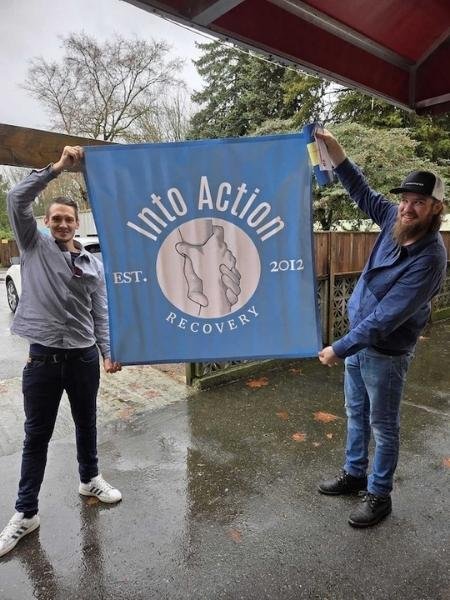
A Day In The Life At Into Action Recovery
Many men entering alcohol rehab feel uncertain about what daily life in treatment will actually look like. At Into Action Recovery, each day is built around structure, accountability, and steady progress. The goal is not only to stop drinking, but to help men rebuild routines, discipline, and personal responsibility that support long-term sobriety.
Every day combines therapy, peer support, and personal development so that men can address the underlying causes of alcohol addiction while developing the habits needed for lasting recovery.
What A Typical Day In Our Alcohol Program Includes:
- Morning check-ins and goal setting
- Structured therapy and recovery programming
- Individual and group counseling sessions
- Education on addiction and relapse prevention
- Physical activity and personal wellness routines
- Peer accountability and recovery meetings
- Evening reflection and planning for the next day
Throughout the program, men are surrounded by peers who are working toward the same goal: building a stable, sober life. This structured environment allows individuals to step away from outside pressures and focus fully on recovery while developing the mindset and discipline needed to stay sober long after treatment ends.
Meet Our Expert Alcohol Rehabilitation Team
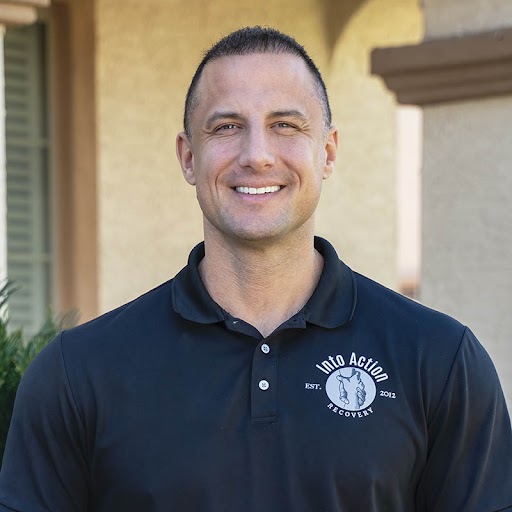
Chris Burwash, ICAS III, CCAC - CEO & Founder
Chris Burwash is the Founder and CEO of Into Action Recovery and a man in long-term recovery with more than two decades of experience helping men overcome addiction. Since founding the program in 2012, he has helped thousands rebuild their lives through structured recovery programs built on accountability, discipline, brotherhood, and long-term sobriety.

Anya Schecter - Administrative Manager
Anya Schecter is the Administrative Manager at Into Action Recovery, where she has overseen operational systems and client care processes since 2016. With more than 18 years of administrative and leadership experience, she helps ensure consistent, high-quality support for individuals in addiction treatment. Anya also serves on the board of a local recovery-focused nonprofit.

Christopher Loughlin, CCAC, ICADC – Program Manager
Christopher Loughlin is Program Manager at Into Action Recovery and a certified addiction counsellor with CCAC and ICADC credentials. After overcoming more than two decades of addiction, he now helps guide men through structured recovery programs. Christopher holds a diploma in Addiction and Community Services Work and has completed extensive training in the addiction treatment field.

Zoltan Orban – Compliance Manager
Zoltan Orban serves as Compliance Manager at Into Action, helping maintain the systems and standards that support safe, structured addiction treatment for men. After beginning his own recovery journey through the program, he developed a passion for helping others rebuild their lives. Today, he oversees health, safety, and operational compliance while supporting residents throughout their recovery.


Get Your Life Back
Get Into Action Today
Proven since 2012, our program helps men stabilize, heal, and build the foundation for lifelong recovery through discipline, therapy, and brotherhood.
-
🌟 Frequently Asked Questions
FAQs About Alcohol Addiction & Treatment
What is alcohol addiction?
Alcohol addiction, also called alcohol use disorder, is a condition where a person loses control over their drinking and continues consuming alcohol despite negative consequences. It affects brain chemistry, behavior, and decision-making, often leading to physical dependence and difficulty stopping without professional support.
How Do I Know If I Need Alcohol Rehab?
Someone may need alcohol rehab if drinking becomes difficult to control, begins affecting health or relationships, or causes withdrawal symptoms when alcohol use stops. Common warning signs include frequent heavy drinking, strong cravings, difficulty cutting back, and continuing to drink despite serious consequences.
What Happens During Alcohol Rehabilitation?
Alcohol rehab provides a structured environment where individuals focus on recovery through therapy, peer support, and behavioral change. Treatment typically includes individual counseling, group therapy, addiction education, relapse prevention planning, and daily routines that help individuals develop the skills needed to maintain long-term sobriety.
What Are Alcohol Withdrawal Symptoms?
Alcohol withdrawal symptoms can occur when someone who has been drinking regularly stops suddenly. Symptoms may include shaking, anxiety, sweating, nausea, insomnia, elevated heart rate, and irritability. In severe cases, withdrawal can be dangerous and may require medical supervision.
Can An Alcoholic Ever Stop Drinking?
Yes, many people successfully recover from alcohol addiction with the right support and treatment. Recovery often involves structured treatment, therapy, lifestyle changes, and ongoing support systems that help individuals maintain sobriety and build a healthier life without alcohol.
What Causes Alcohol Addiction?
Alcohol addiction develops from a combination of biological, psychological, and environmental factors. Genetics, mental health conditions, stress, trauma, and long-term drinking habits can all contribute to the development of alcohol use disorder.